Plastic marking
Create durable, high-contrast codes with limited visible heat influence.
Product family / 05
Two laser technologies for plastics, glass and organic materials.
UV marking for fine, low-heat processing and CO₂ marking for wood, leather, acrylic, paper, rubber and packaging applications.
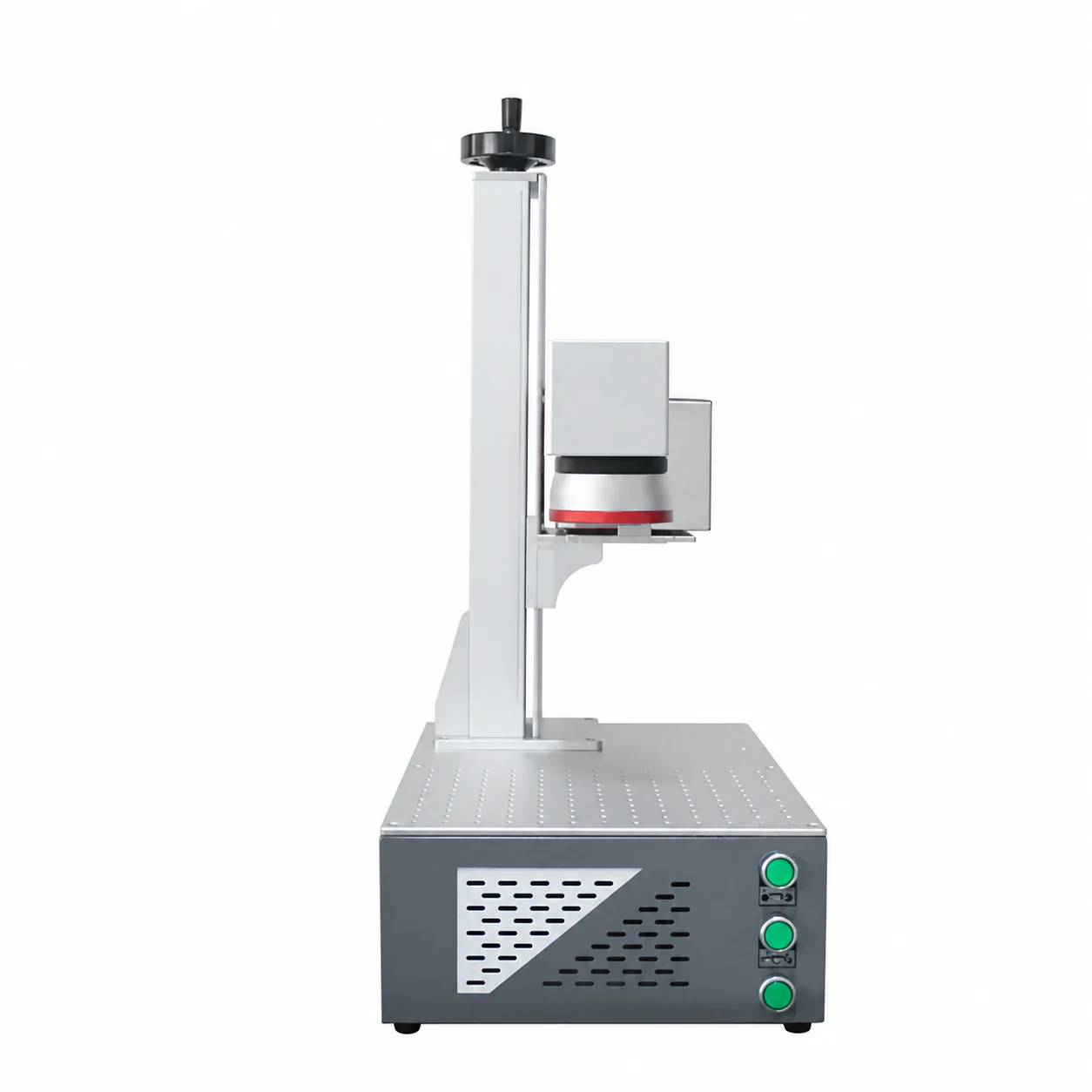
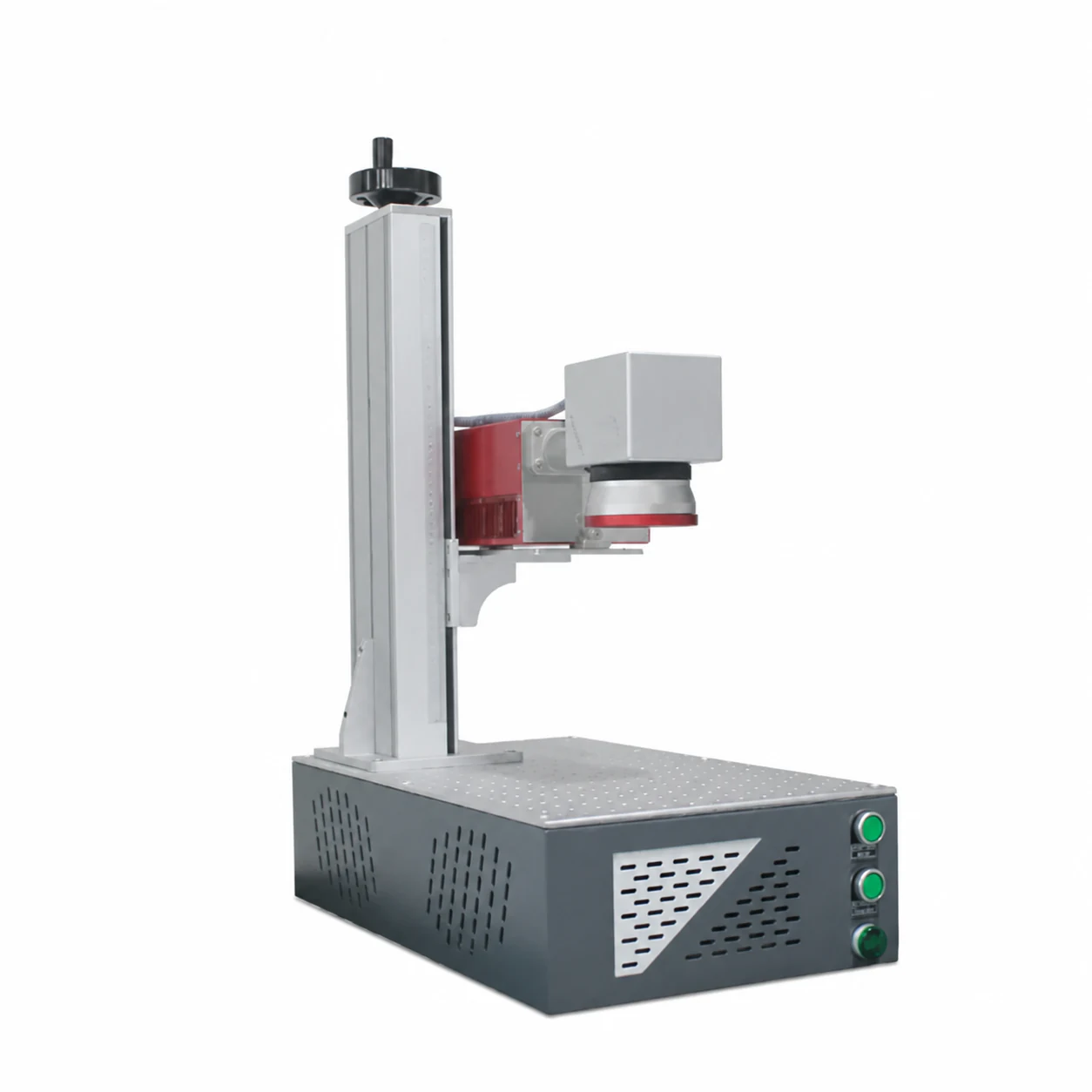
Reference configuration · Final equipment and options subject to written quotation.
Product overview
UV and CO₂ marking address different material groups. UV is chosen for fine features and lower thermal influence on many plastics, glass and sensitive components. CO₂ is commonly used for organic and non-metal materials such as wood, leather, acrylic, paper, rubber and packaging.
Because absorption varies by material and coating, sample testing should be completed before selecting the wavelength, power and optical field. This page combines the two families for early comparison; the final quotation will specify one technology.
Equipment views
These images show representative equipment formats for initial discussion. Cabinet, laser source, control system, working head and accessories are confirmed for each order.
Reference specification
Indicative information for early project screening. Exact components, performance, certification, warranty and availability require written confirmation.
Where it fits
Use these examples to frame the requirement. Final results depend on material, geometry, process settings and acceptance criteria.
Create durable, high-contrast codes with limited visible heat influence.
Produce fine marks and selected engraving effects after sample trials.
Mark or engrave wood, leather, acrylic, rubber and coated surfaces.
Add dates, batch codes and identifiers to paper and packaging lines.
Selection workflow
Send the exact material, colour, coating and surface finish.
Share mark artwork, contrast, depth, field and cycle time.
Compare sample results when the best wavelength is not obvious.
Confirm enclosure, extraction, fixtures, conveyor and voltage.
Common questions
These answers are general guidance. Send the actual workpiece details for a configuration review.
Choose by material absorption and desired result. UV often suits fine plastic and glass work; CO₂ commonly suits organic and non-metal materials.
UV generally reduces thermal influence, but no process is completely heat-free. Parameters and sample testing still matter.
They are normally separate laser systems. AVELRIN can compare both processes for your application.
It may be required depending on the material and marking process. Fumes and particles should be evaluated for the intended site.
Need a confirmed configuration?
Include material, dimensions, process requirement, target speed, electrical supply and destination.